
Antioxidantes como Alternativa aos Inibidores de Apetite: Uma Nova Perspectiva no Tratamento da Obesidade
Uma ideia para reflexão: E se, em vez de focarmos exclusivamente em inibidores de apetite para o tratamento da obesidade, direcionássemos nossa atenção para combater o estresse oxidativo? Este artigo apresenta uma perspectiva alternativa sobre como o desequilíbrio entre oxidantes e antioxidantes no organismo pode estar na raiz do problema da obesidade, oferecendo novos caminhos terapêuticos potencialmente mais acessíveis e com menos efeitos colaterais.
📅 Publicado em 6 de março de 2025
O que é estresse oxidativoDesequilíbrio entre a produção de radicais livres e a capacidade antioxidante do organismo?
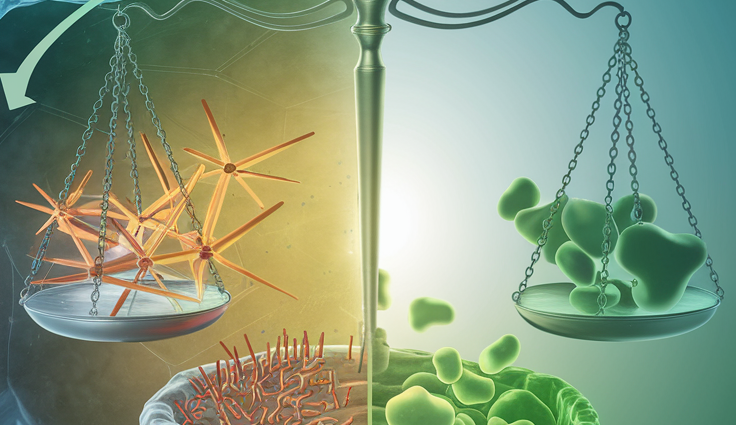
Imagine uma balança: de um lado estão os radicais livres (moléculas instáveis que podem danificar células) e do outro, os antioxidantes (substâncias que neutralizam esses radicais livres). O estresse oxidativo ocorre quando essa balança pende demais para o lado dos radicais livres, causando danos às células e tecidos do corpo.
Em termos mais técnicos: é o desequilíbrio entre a produção de espécies reativas de oxigênio (EROs) e a capacidade do organismo de neutralizá-las através de sistemas antioxidantes.
Estudos recentes sugerem que o estresse oxidativo não é apenas uma consequência da obesidade, mas pode ser um fator causal em seu desenvolvimento e manutenção. Vamos entender os principais mecanismos:
1. Alteração no Funcionamento Mitocondrial
As mitocôndrias são as “usinas de energia” das células. Quando afetadas pelo estresse oxidativoDesequilíbrio entre a produção de radicais livres e a capacidade antioxidante do organismo:
- Produzem menos energia a partir dos nutrientes
- Tornam-se menos eficientes, reduzindo o metabolismo basal
- Contribuem para o acúmulo de gordura, mesmo com ingestão calórica moderada
2. Inflamação Crônica e Resistência à InsulinaCondição na qual as células do corpo não respondem adequadamente à insulina
O estresse oxidativo desencadeia processos inflamatórios que:
- Aumentam a produção de substâncias inflamatórias (TNF-α, IL-6)
- Prejudicam a sinalização da insulina
- Favorecem o acúmulo de gordura, especialmente na região abdominal
- Criam um ciclo vicioso: mais inflamação → mais resistência à insulina → mais ganho de peso
3. Desregulação dos Hormônios que Controlam o Apetite
O estresse oxidativo afeta diretamente regiões do cérebro responsáveis pelo controle da fome:
- Altera a sinalização da leptinaHormônio produzido pelo tecido adiposo que regula a saciedade, reduzindo a sensação de satisfação após as refeições
- Aumenta a sensibilidade à grelinaHormônio produzido pelo estômago que estimula a fome
- Resulta em maior apetite e ingestão calórica, mesmo quando o corpo não necessita de mais energia
O Ciclo Vicioso da Obesidade e Estresse OxidativoDesequilíbrio entre a produção de radicais livres e a capacidade antioxidante do organismo
O excesso de tecido adiposo, principalmente visceral (aquele que envolve os órgãos internos), produz mais substâncias inflamatórias e radicais livres. Estes, por sua vez, agravam o estresse oxidativo, que compromete ainda mais o metabolismo e favorece maior acúmulo de gordura. Esse ciclo auto-sustentável explica por que muitas pessoas enfrentam dificuldades significativas para perder peso, mesmo com esforços consideráveis.
Considerando o papel do estresse oxidativoDesequilíbrio entre a produção de radicais livres e a capacidade antioxidante do organismo na obesidade, uma abordagem focada em restaurar o equilíbrio redox (entre oxidantes e antioxidantes) apresenta fundamentos lógicos e potenciais vantagens:
| Aspecto | Inibidores de Apetite | Terapia Antioxidante |
|---|---|---|
| Mecanismo de ação | Atuam principalmente no controle da fome (sintoma) | Abordam um potencial mecanismo causal da obesidade |
| Custo mensal médio | R$ 350-850 | R$ 120-380 |
| Necessidade de prescrição | Sim (maioria) | Não (maioria) |
| Efeitos adversos | Moderados a graves (insônia, palpitações, hipertensão, dependência) | Leves a moderados (geralmente bem tolerados) |
| Contraindicações | Múltiplas (problemas cardíacos, hipertensão, glaucoma, etc.) | Limitadas (principalmente interações medicamentosas específicas) |
Evidências científicas apontam para alguns compostos antioxidantes com resultados promissores:
1. Ácido Alfa-Lipóico
- Regenera outros antioxidantes no organismo
- Melhora a sensibilidade à insulina
- Diversos estudos apontam potencial para redução de peso
- Dosagem típica: 600mg/dia
2. Resveratrol
- Ativa enzimas que melhoram o funcionamento mitocondrial
- Aumenta a oxidação de gorduras
- Reduz a inflamação no tecido adiposo
- Dosagem típica: 100-500mg/dia
3. Curcumina
- Potente anti-inflamatório natural
- Reduz a resistência à insulina
- Diminui o acúmulo de gordura no fígado
- Dosagem típica: 500-1000mg/dia (preferencialmente formulações de alta biodisponibilidade)
4. N-Acetilcisteína (NAC)
- Precursor da glutationa (principal antioxidante endógeno)
- Melhora a sinalização da insulina
- Reduz o estresse no retículo endoplasmático (importante na obesidade)
- Dosagem típica: 600mg 1-2x/dia
Uma Abordagem Nutricional Complementar
Além da suplementação, uma alimentação rica em antioxidantes naturais pode potencializar os resultados:
- Frutas vermelhas e roxas (mirtilos, amoras, açaí)
- Vegetais de folhas verde-escuras (espinafre, couve, rúcula)
- Crucíferas (brócolis, couve-flor, repolho)
- Especiarias (cúrcuma, gengibre, canela)
- Chás (especialmente verde e branco)
- Oleaginosas (castanhas, nozes, amêndoas)
Com base nas evidências disponíveis, proponho um protocolo escalonado que poderia ser adaptado individualmente:
Fase 1: Fundação (4-6 semanas)
- Adoção de dieta rica em antioxidantes naturais
- Hidratação adequada (fundamental para eliminação de toxinas)
- Suplementação básica: Vitamina C (500-1000mg/dia), Vitamina E (400 UI/dia), Zinco (15-30mg/dia)
- Redução da exposição a fatores pró-oxidantes (poluição, fumo, álcool em excesso)
Fase 2: Intervenção Específica (12 semanas)
- Manutenção da fase anterior
- Adição de antioxidantes específicos: Ácido alfa-lipóico (600mg/dia) e/ou Resveratrol (100-300mg/dia)
- Integração de atividade física regular (idealmente combinando exercícios aeróbicos e de resistência)
- Monitoramento de marcadores metabólicos básicos
Fase 3: Intensificação (para respondedores parciais)
- Adição de N-Acetilcisteína (600mg 1-2x/dia)
- Consideração de curcumina lipossomal (1000mg/dia)
- Ajustes posológicos baseados na resposta individual
- Monitoramento mais abrangente de marcadores metabólicos e de estresse oxidativo
É importante enfatizar que esta proposta não visa substituir as abordagens convencionais para tratamento da obesidade, mas sim oferecer uma perspectiva complementar, especialmente para indivíduos que:
- Não respondem adequadamente às terapias tradicionais
- Apresentam contraindicações aos inibidores de apetite
- Buscam alternativas com menor custo e efeitos adversos
- Preferem uma abordagem que atue nos potenciais mecanismos causais da condição
O conhecimento sobre a relação entre estresse oxidativoDesequilíbrio entre a produção de radicais livres e a capacidade antioxidante do organismo e obesidade está em evolução contínua. As evidências até o momento são promissoras, mas mais estudos clínicos de grande escala são necessários para estabelecer protocolos definitivos.
Como em qualquer intervenção terapêutica, a personalização é fundamental. O que funciona excepcionalmente para um indivíduo pode não ter o mesmo efeito para outro, destacando a importância da avaliação e acompanhamento individualizados por profissionais qualificados.
💡 Connecting the Dots
O ganho terapêutico real proposto aqui não está em “antioxidantes ajudam na obesidade” – essa é a leitura superficial. Está em atacar o eixo estresse oxidativo → disfunção do tecido adiposo → resistência à leptina como causa potencialmente modificável, em vez de apenas suprimir apetite rio abaixo. Para quem prescreve, isso muda a pergunta clínica de “qual inibidor de apetite escolher” para “este paciente tem marcadores de estresse oxidativo elevado que justificam a estratégia complementar” – uma discriminação que a maioria dos protocolos de obesidade ainda não faz.
- Furukawa S, et al. “Increased oxidative stress in obesity and its impact on metabolic syndrome.” J Clin Invest. 2004;114(12):1752-1761.
- Hotamisligil GS, et al. “Adipose expression of tumor necrosis factor-alpha: direct role in obesity-linked insulin resistance.” Science. 1993;259(5091):87-91.
- Bastard JP, et al. “Elevated levels of interleukin 6 are reduced in serum and subcutaneous adipose tissue of obese women after weight loss.” J Clin Endocrinol Metab. 2000;85(9):3338-3342.
- Visser M, et al. “Elevated C-reactive protein levels in overweight and obese adults.” JAMA. 1999;282(22):2131-2135.
- Arita Y, et al. “Paradoxical decrease of an adipose-specific protein, adiponectin, in obesity.” Biochem Biophys Res Commun. 1999;257(1):79-83.
- Vincent HK, et al. “Obesity is associated with increased myocardial oxidative stress.” Int J Obes Relat Metab Disord. 2007;23(1):67-74.
- Zhang X, et al. “Hypothalamic IKKβ/NF-κB and ER stress link overnutrition to energy imbalance and obesity.” Cell. 2008;135(1):61-73.
- Carbonelli MG, et al. “Alpha-lipoic acid supplementation: a tool for obesity therapy?” Curr Pharm Des. 2010;16(7):840-846.
- Kucukgoncu S, et al. “Alpha-lipoic acid (ALA) as a supplementation for weight loss: results from a meta-analysis of randomized controlled trials.” Obes Rev. 2017;18(5):594-601.
- Maritim AC, et al. “Diabetes, oxidative stress, and antioxidants: A review.” J Biochem Mol Toxicol. 2003;17(1):24-38.
- Vincent HK, et al. “Antioxidant supplementation lowers exercise-induced oxidative stress in young overweight adults.” Obesity. 2006;14(12):2224-2235.
- Manna P, Jain SK. “Obesity, oxidative stress, adipose tissue dysfunction, and the associated health risks: Causes and therapeutic strategies.” Metab Syndr Relat Disord. 2015;13(10):423-444.
- Arkan MC, et al. “IKK-β links inflammation to obesity-induced insulin resistance.” Nat Med. 2005;11(2):191-198.
- Gregoire FM, et al. “Understanding adipocyte differentiation.” Physiol Rev. 1998;78(3):783-809.
Quer aplicar IA na sua prática clínica?
Conheça a Metodologia AIMED – um caminho estruturado para médicos que querem dominar inteligência artificial aplicada à medicina.
Antioxidants as an Alternative to Appetite Suppressants: A New Perspective on the Treatment of Obesity
A Thought for Reflection: What if, instead of focusing exclusively on appetite suppressants for treating obesity, we directed our attention to combating oxidative stress? This article presents an alternative perspective on how the imbalance between oxidants and antioxidants in the body might be at the root of obesity, offering new therapeutic paths that are potentially more accessible and with fewer side effects.
📅 Published on March 6, 2025
What is oxidative stressImbalance between free radical production and the body’s antioxidant capacity?
Imagine a balance: on one side are free radicals (unstable molecules that can damage cells) and on the other, antioxidants (substances that neutralize these free radicals). Oxidative stress occurs when this balance tips too far in favor of free radicals, causing damage to cells and tissues.
In more technical terms, it is the imbalance between the production of reactive oxygen species (ROS) and the body’s ability to neutralize them through antioxidant systems.
Recent studies suggest that oxidative stress is not only a consequence of obesity, but may also be a causal factor in its development and maintenance. Let’s explore the main mechanisms:
1. Alteration in Mitochondrial Function
Mitochondria are the “powerhouses” of the cells. When affected by oxidative stressImbalance between free radical production and the body’s antioxidant capacity:
- They produce less energy from nutrients
- They become less efficient, reducing basal metabolism
- They contribute to fat accumulation, even with moderate caloric intake
2. Chronic Inflammation and Insulin ResistanceCondition where the body’s cells do not properly respond to insulin
Oxidative stress triggers inflammatory processes that:
- Increase the production of inflammatory substances (TNF-α, IL-6)
- Hinder insulin signaling
- Favor fat accumulation, especially in the abdominal region
- Create a vicious cycle: more inflammation → more insulin resistance → more weight gain
3. Dysregulation of Appetite-Regulating Hormones
Oxidative stress directly affects brain regions responsible for hunger control:
- It alters leptinHormone produced by fat tissue that regulates satiety signaling, reducing the feeling of fullness after meals
- It increases sensitivity to ghrelinHormone produced by the stomach that stimulates hunger
- It results in increased appetite and caloric intake, even when the body does not require more energy
The Vicious Cycle of Obesity and Oxidative StressImbalance between free radical production and the body’s antioxidant capacity
Excess adipose tissue, especially visceral fat (the fat surrounding internal organs), produces more inflammatory substances and free radicals. These, in turn, worsen oxidative stress, further compromising metabolism and promoting greater fat accumulation. This self-sustaining cycle explains why many people face significant challenges in losing weight, even with considerable effort.
Considering the role of oxidative stressImbalance between free radical production and the body’s antioxidant capacity in obesity, an approach focused on restoring redox balance (between oxidants and antioxidants) presents logical foundations and potential advantages:
| Aspect | Appetite Suppressants | Antioxidant Therapy |
|---|---|---|
| Mechanism of Action | They act mainly on hunger control (symptom) | They address a potential causal mechanism of obesity |
| Average Monthly Cost | R$ 350-850 | R$ 120-380 |
| Prescription Requirement | Yes (majority) | No (majority) |
| Adverse Effects | Moderate to severe (insomnia, palpitations, hypertension, dependency) | Mild to moderate (generally well tolerated) |
| Contraindications | Multiple (heart problems, hypertension, glaucoma, etc.) | Limited (mainly specific drug interactions) |
Scientific evidence points to some antioxidant compounds with promising results:
1. Alpha-Lipoic Acid
- Regenerates other antioxidants in the body
- Improves insulin sensitivity
- Various studies indicate potential for weight reduction
- Typical dosage: 600mg/day
2. Resveratrol
- Activates enzymes that improve mitochondrial function
- Increases fat oxidation
- Reduces inflammation in adipose tissue
- Typical dosage: 100-500mg/day
3. Curcumin
- Potent natural anti-inflammatory
- Reduces insulin resistance
- Decreases fat accumulation in the liver
- Typical dosage: 500-1000mg/day (preferably high-bioavailability formulations)
4. N-Acetylcysteine (NAC)
- Precursor of glutathione (the main endogenous antioxidant)
- Improves insulin signaling
- Reduces endoplasmic reticulum stress (important in obesity)
- Typical dosage: 600mg 1-2 times/day
A Complementary Nutritional Approach
In addition to supplementation, a diet rich in natural antioxidants can enhance results:
- Red and purple fruits (blueberries, blackberries, açaí)
- Dark leafy greens (spinach, kale, arugula)
- Cruciferous vegetables (broccoli, cauliflower, cabbage)
- Spices (turmeric, ginger, cinnamon)
- Teas (especially green and white)
- Nuts (cashews, walnuts, almonds)
Based on available evidence, I propose a phased protocol that could be individually adapted:
Phase 1: Foundation (4-6 weeks)
- Adoption of a diet rich in natural antioxidants
- Adequate hydration (essential for toxin elimination)
- Basic supplementation: Vitamin C (500-1000mg/day), Vitamin E (400 IU/day), Zinc (15-30mg/day)
- Reduction of exposure to pro-oxidant factors (pollution, smoking, excessive alcohol)
Phase 2: Specific Intervention (12 weeks)
- Maintenance of the previous phase
- Addition of specific antioxidants: Alpha-lipoic acid (600mg/day) and/or Resveratrol (100-300mg/day)
- Integration of regular physical activity (ideally combining aerobic and resistance exercises)
- Monitoring of basic metabolic markers
Phase 3: Intensification (for partial responders)
- Addition of N-Acetylcysteine (600mg 1-2 times/day)
- Consideration of liposomal curcumin (1000mg/day)
- Dosage adjustments based on individual response
- More comprehensive monitoring of metabolic and oxidative stress markers
It is important to emphasize that this proposal is not intended to replace conventional approaches to obesity treatment, but rather to offer a complementary perspective, especially for individuals who:
- Do not respond adequately to traditional therapies
- Have contraindications to appetite suppressants
- Seek alternatives with lower cost and fewer adverse effects
- Prefer an approach that addresses the potential causal mechanisms of the condition
Knowledge about the relationship between oxidative stressImbalance between free radical production and the body’s antioxidant capacity and obesity is continuously evolving. The evidence to date is promising, but more large-scale clinical studies are needed to establish definitive protocols.
As with any therapeutic intervention, personalization is key. What works exceptionally for one individual may not have the same effect for another, highlighting the importance of individualized assessment and follow-up by qualified professionals.
💡 Connecting the Dots
The real therapeutic gain proposed here is not “antioxidants help with obesity” – that is the superficial reading. It is targeting the oxidative stress → adipose tissue dysfunction → leptin resistance axis as a potentially modifiable cause, instead of only suppressing appetite downstream. For the prescriber, this shifts the clinical question from “which appetite suppressant to choose” to “does this patient have elevated oxidative stress markers that justify the complementary strategy” – a distinction most obesity protocols still do not make.
- Furukawa S, et al. “Increased oxidative stress in obesity and its impact on metabolic syndrome.” J Clin Invest. 2004;114(12):1752-1761.
- Hotamisligil GS, et al. “Adipose expression of tumor necrosis factor-alpha: direct role in obesity-linked insulin resistance.” Science. 1993;259(5091):87-91.
- Bastard JP, et al. “Elevated levels of interleukin 6 are reduced in serum and subcutaneous adipose tissue of obese women after weight loss.” J Clin Endocrinol Metab. 2000;85(9):3338-3342.
- Visser M, et al. “Elevated C-reactive protein levels in overweight and obese adults.” JAMA. 1999;282(22):2131-2135.
- Arita Y, et al. “Paradoxical decrease of an adipose-specific protein, adiponectin, in obesity.” Biochem Biophys Res Commun. 1999;257(1):79-83.
- Vincent HK, et al. “Obesity is associated with increased myocardial oxidative stress.” Int J Obes Relat Metab Disord. 2007;23(1):67-74.
- Zhang X, et al. “Hypothalamic IKKβ/NF-κB and ER stress link overnutrition to energy imbalance and obesity.” Cell. 2008;135(1):61-73.
- Carbonelli MG, et al. “Alpha-lipoic acid supplementation: a tool for obesity therapy?” Curr Pharm Des. 2010;16(7):840-846.
- Kucukgoncu S, et al. “Alpha-lipoic acid (ALA) as a supplementation for weight loss: results from a meta-analysis of randomized controlled trials.” Obes Rev. 2017;18(5):594-601.
- Maritim AC, et al. “Diabetes, oxidative stress, and antioxidants: A review.” J Biochem Mol Toxicol. 2003;17(1):24-38.
- Vincent HK, et al. “Antioxidant supplementation lowers exercise-induced oxidative stress in young overweight adults.” Obesity. 2006;14(12):2224-2235.
- Manna P, Jain SK. “Obesity, oxidative stress, adipose tissue dysfunction, and the associated health risks: Causes and therapeutic strategies.” Metab Syndr Relat Disord. 2015;13(10):423-444.
- Arkan MC, et al. “IKK-β links inflammation to obesity-induced insulin resistance.” Nat Med. 2005;11(2):191-198.
- Gregoire FM, et al. “Understanding adipocyte differentiation.” Physiol Rev. 1998;78(3):783-809.
Want to apply AI to your clinical practice?
Discover the AIMED Methodology – a structured path for physicians who want to master artificial intelligence applied to medicine.
◆ Novidades
- A Semana em Que a IA Começou a Agir — GPT‑6 Astra, Claude Fable 5.1 e a Fronteira Antes da AGI
- O Software Que Muda Depois de Aprovado — e o Vão Entre o CFM e a ANVISA Que Ninguém Nomeou
- Memória Inteligente: o que a ciência da aprendizagem realmente sustenta